Unlocking the secrets of old vines: the unsung heroes of exceptional wines
U n l o c k i n g t h e s e c r e t s o f o l d v i n e s : t h e u n s u n g h e r o e s o f e x c e p t i o n a l w i n e s
Did you know that the age of the vines can significantly influence the quality and complexity of wines?
Although the term “Old Vines” is often used as a marketing tool, there is much more to these ancient plants than meets the eye. Join us on a journey to discover the hidden gems of the world of viticulture: the old vines that not only produce extraordinary wines, but are also the key to preserving history and tradition.
The root of excellence: Old vines, which are usually 25 years old or older, have deeper and more extensive root systems than younger vines. This allows them to take advantage of a rich source of nutrients and minerals, ensuring a perfect balance for the ripening of high quality grapes. The resilience of older vines, with thicker trunks and more robust branches, also makes them more resistant to diseases and pests, offering a sustainable solution for the wine industry.
Quality versus quantity:
A significant advantage of old vines is their lower yield, which leads to a concentration of flavor and sugar in each grape. The result is wines that are not only more intense, but also of a complexity that captivates the palate. It is a case of quality over quantity, challenging the notion that more grapes necessarily means better wines.
Rootedness to the land:
Beyond their impressive qualities, old vines act as narrators of the history and terroir of a wine region. Terroir, a blend of natural factors such as soil, climate and grape variety, is expressed most authentically in vines that have adapted to their environment over time. Preserving old vines becomes a mission to safeguard the diversity and identity of the wine industry, as they often feature rare or endangered grape varieties that have been cultivated for generations.
The legacy of Casa Silva:
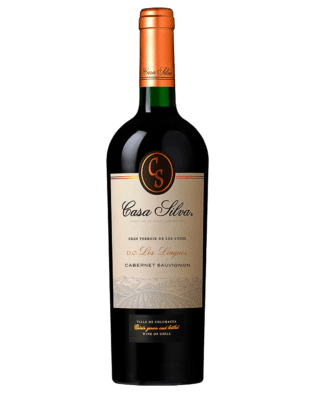
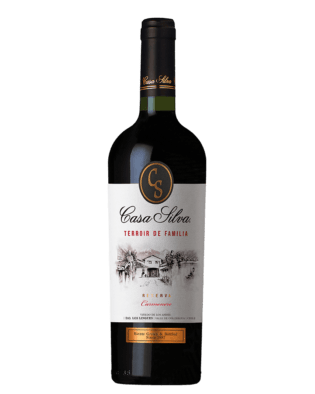
An exemplary illustration of the value of old vines is found at Casa Silva, located in the Colchagua Valley. In 1912, Emile Bouchon Poitvin laid the foundations of a winery that would cultivate heritage vineyards. Today, Casa Silva is proud to present wines from these 1912 vineyards, each of which tells a unique story through grape varieties such as Sauvignon Blanc, Semillon, Merlot and Romano.
Exploring Casa Silva's 1912 Old Vines:
1. CASA SILVA 1912 VINES SEMILLON:
- High quality grapes from vines planted in 1912.
- Balanced, fresh and perfumed, with great aging potential.
- Medium intensity, with aromas of ripe pineapple, apricot and white pear.


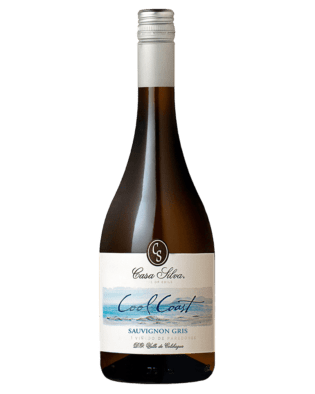
2. CASA SILVA 1912 VINES SAUVIGNON GRIS:
- Clonal mutation of Sauvignon Blanc with a pinkish hue.
- Complex and balanced, with aromas of yellow lemon and fresh apricots.
- Medium-high acidity with tropical and ripe citrus flavors.
3. CASA SILVA 1912 VINES ROMANO CESAR NOIR:
- An heirloom variety with complex tannins that produces a fresh wine with personality.
- Medium intensity, with aromas of blackberries, raspberries and fresh roses.
- Soft tannins, juicy red fruit and floral finish.

Preserving tradition:
Old Vines not only contribute to the quality of the wines, but also play a crucial role in marketing and consumer preferences. Wine enthusiasts associate them with authenticity, uniqueness and higher quality, which drives demand and recognition.
In the case of Casa Silva, the 1912 vines create a tangible connection, telling a compelling story of history, culture and passion with each bottle.
In a world where sustainability, diversity and excellence are paramount, the conservation of old vines emerges as a must for the wine industry.
Beyond being a mere label, old vines are invaluable assets that demand our respect and protection. By championing the cause of these ancestral plants, we guarantee a legacy of exceptional wines that will continue to captivate generations to come.
Here’s to the unsung heroes of the vineyards: the old vines that truly stand the test of time.